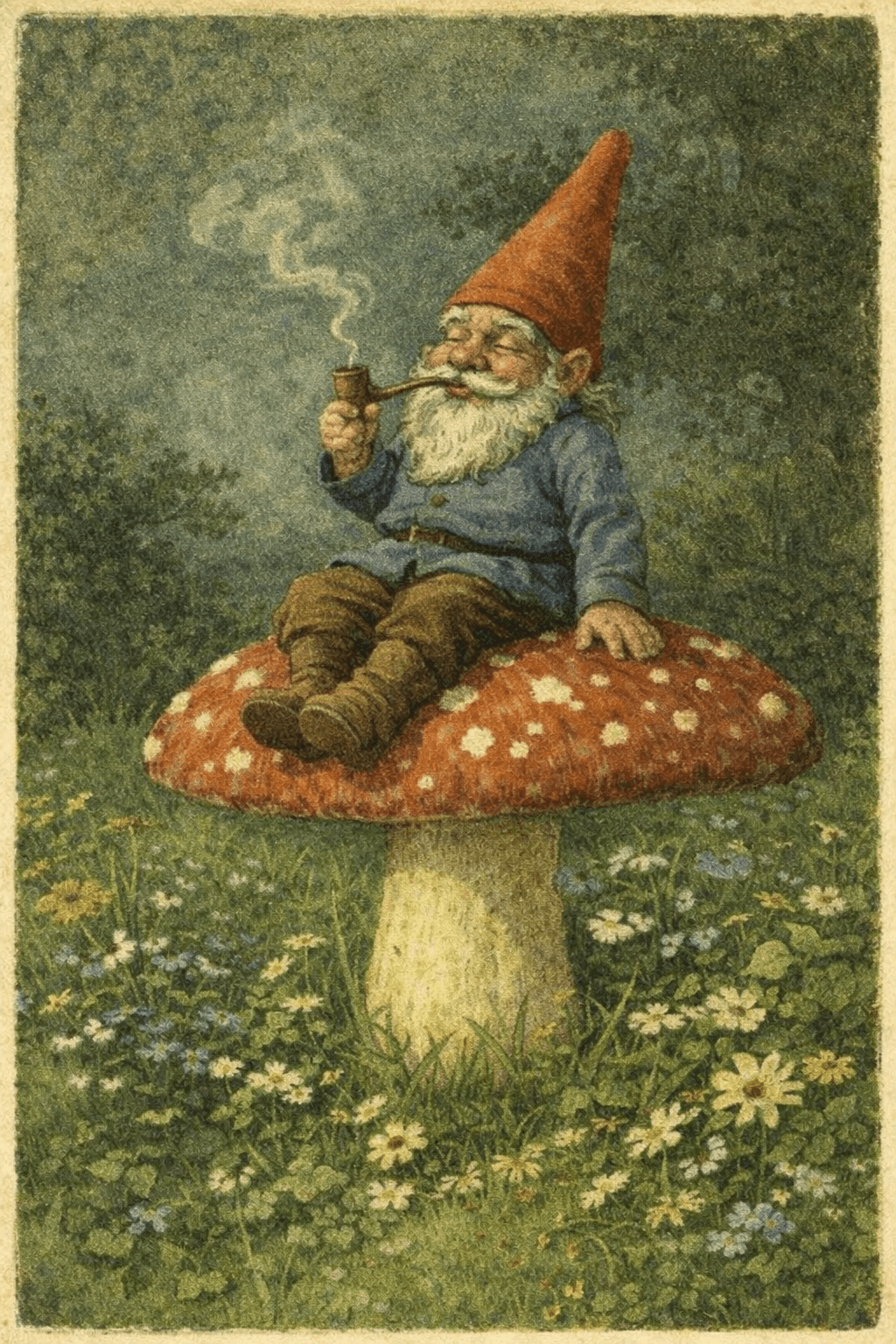
Plate I — Specimen observed atop Amanita muscaria, autumn 1893
The Hidden World of Gnomes
Field observations collected from quiet gardens, meadows, and forests across the European countryside.
scroll to continue reading
Chapter II
Field Observations
A collection of documented sightings gathered over several seasons of patient fieldwork in the countryside.

Plate II
“A lively group observed at play in the meadow, wholly unaware of the observer's presence.”

Plate III
“A campfire gathering observed from the tree line. The warmth draws them near.”

Plate IV
“Spotted along the riverbank at dawn, observing a fisherman with quiet curiosity.”

Plate V
“A gathering observed from behind the hedgerow. Remarkable social behavior.”

Plate VI
“Sketched from memory after a brief encounter along the garden path.”
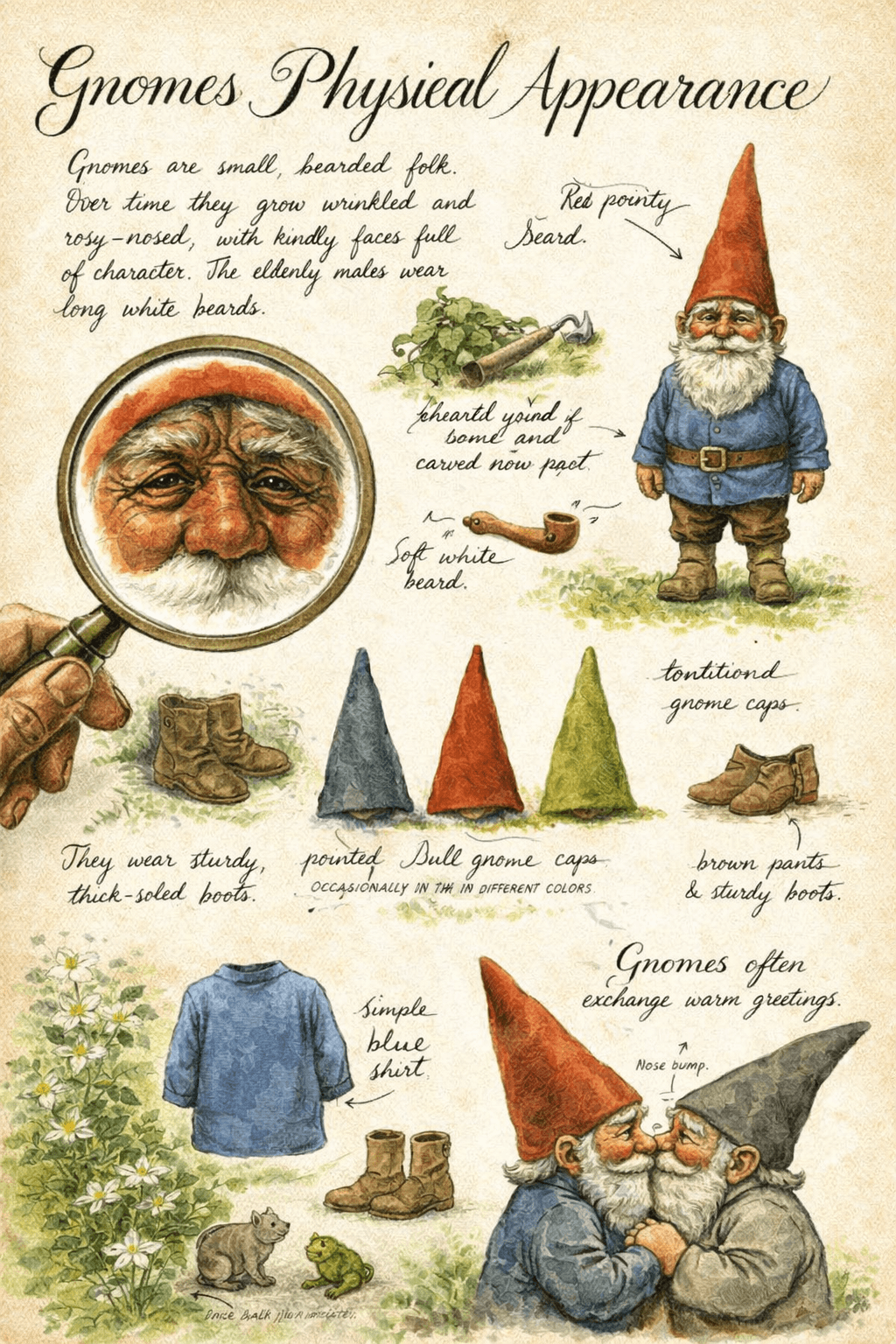
Plate VII
“Ancient manuscript references discovered in the university archives.”
Chapter III
Anatomy of a Gnome
A detailed anatomical study based on years of careful observation and scholarly comparison.
Pointed Cap
Traditionally red, serves as camouflage among toadstools
Magnificent Beard
Length indicates wisdom and age, often braided
Earthen Boots
Specially crafted for silent movement through gardens
Fig. 1 — Gnomeus domesticus
Keen Eyes
Excellent night vision for subterranean navigation
Sturdy Belt
Contains miniature tools and seed pouches
Garden Tools
Hand-forged implements for tending underground gardens
Chapter IV
Human Encounters
Documented instances where gnomes have been observed in proximity to human activity. Their curiosity about our kind appears boundless.
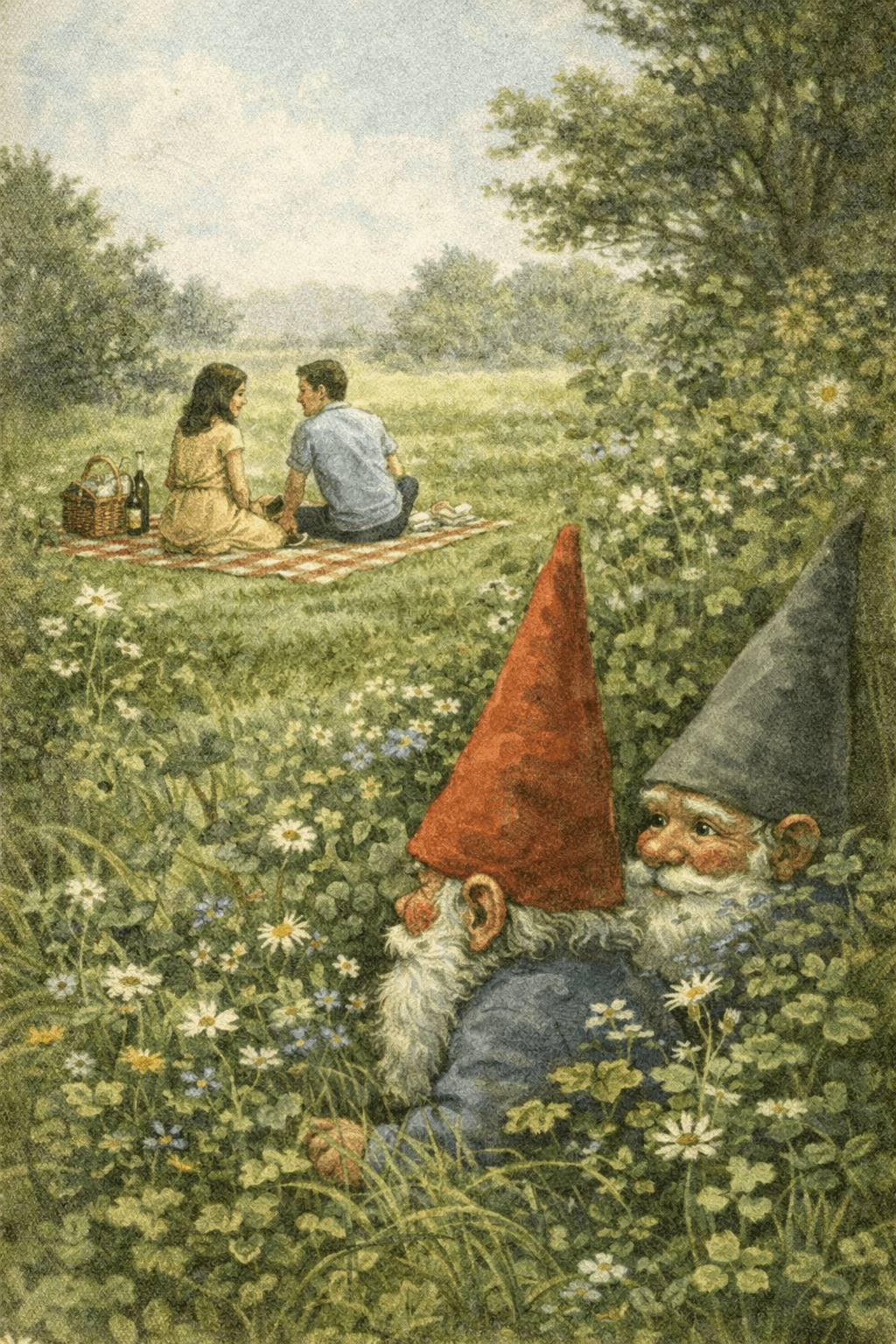
Encounter No. 1 — June 1894
“Often curious about human rituals. Observed peering from behind a garden fence during a summer gathering.”
Encounter No. 2 — August 1895
“A small group gathered near a human campfire at twilight. They appeared drawn to the warmth and the sound of conversation.”
Encounter No. 3 — April 1896
“Observed along the riverbank while a fisherman cast his line. The gnomes appeared to be studying his technique with great interest.”
Appendix
Latest Sightings
Recent reports from our network of field correspondents.
“Seen perched atop a toadstool near the village well, October 1897.”
Sighting 1 of 8